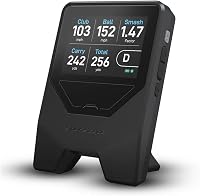
Bushnell Launch Pro vs SkyTrak+: Which to Buy? (November 2026)
Pick the SkyTrak+ for most home golfers, because its protective shield shrugs off ball strikes up to 100 mph and keeps the warranty intact. The Bushnell Launch Pro is the stronger choice only if you want a brand with a long rangefinder track record and don't mind sourcing your own impact protection.
On this page (9 sections)
- Bushnell Launch Pro vs SkyTrak+: the quick verdict
- The two side by side
- Protection: the point that decides the choice
- Room and setup needs
- Shot data and what you get from each
- Cost of ownership beyond the device
- Who should buy which
- Pairing your monitor with course practice
- The verdict: SkyTrak+ wins for most home golfers
Pick the SkyTrak+ for most home golfers, because its protective shield shrugs off ball strikes up to 100 mph and keeps the warranty intact. The Bushnell Launch Pro is the stronger choice only if you want a brand with a long rangefinder track record and don't mind sourcing your own impact protection.
The Bushnell Launch Pro vs SkyTrak+ question is really about what surrounds the monitor. In a home bay, a shanked wedge is the biggest threat to your investment, and only one of these two has a factory answer for it.
Both are indoor-focused launch monitors aimed at golfers who want real ball-flight data instead of an estimate. The differences that decide the purchase are protection, price structure and how each brand fits into a wider practice setup.

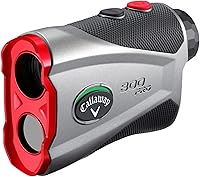
 Best for checking real-yardage practice
Callaway 300 Pro Laser Rangefinder
Bushnell Launch Pro vs SkyTrak+: the quick verdict
The SkyTrak+ is the better buy for most readers, and the shield is the reason. SkyTrak's protective case is built from High Density Polyethylene and is rated to withstand ball strikes at speeds up to 100 mph.
That shield also carries warranty weight. SkyTrak says plainly that without it, ball strikes to the SkyTrak+ are not covered under warranty.
For anyone hitting full-speed irons into a net a few feet away, that's not a small detail.
The Bushnell Launch Pro appeals to golfers who already trust the Bushnell name from its rangefinders. It's a credible device, but the comparison here favors SkyTrak+ on the practical points a home buyer feels first: protection and peace of mind.
If your main worry is a mis-hit taking out a costly device, the SkyTrak+ with its shield is the calmer purchase.
The two side by side
Both devices measure ball flight indoors; the biggest hardware difference is the shield and its impact rating. The table below lines up the facts we can confirm from the product data for each side.
| Feature | SkyTrak+ | Bushnell Launch Pro |
|---|---|---|
| Dedicated impact shield | Yes, rated to 100 mph | Not part of this comparison |
| Shield material | High Density Polyethylene | n/a |
| Warranty and shield link | Ball strikes not covered without shield | n/a |
| Typical setting | Indoor bay or net | Indoor bay or net |
| Best fit | Home practice with full swings | Golfers loyal to the Bushnell name |
The shield is 12 inches long and weighs 1.5 pounds. That's light enough to leave on the monitor between sessions and small enough to store on a shelf.
The Bushnell Launch Pro's case for itself rests on the brand's reputation in distance measuring. That matters, but it doesn't replace a hard shell between your ball and the device.
Protection: the point that decides the choice
The SkyTrak+ wins on protection, and it isn't close. The SkyTrak+ Protective Shield is engineered for the SkyTrak+ specifically, so the fit is precise and the shell is rated for 100 mph ball strikes.
That rating is the number to hold onto. A solidly struck mid-iron leaves the face fast, and in a short indoor bay the monitor sits right in the danger zone.
A shield built for that speed changes how relaxed you can be over the ball.
The shield also covers the warranty gap. SkyTrak frames it as an essential accessory, and the company ties warranty coverage for ball strikes to it.
Buy the monitor and skip the shield, and a stray ball becomes your problem.
There's one compatibility catch worth knowing: the shield is not compatible with the original SkyTrak Launch Monitor. It's made for the SkyTrak+ and the ST MAX only, so don't carry it over from an older unit.
What the Bushnell Launch Pro asks of you
With the Bushnell Launch Pro, protecting the unit is your own project. A net, cage or screen placed between the bay and the monitor is the usual answer, and that's extra cost and setup on top of the device.
That doesn't make the Bushnell a bad buy. It just means the protection decision lands on you rather than on the manufacturer.
If you already have a cage or a deep net setup, the gap narrows.
Room and setup needs
Neither device fixes your bay size, so measure before you choose. The shield's 12-inch length tells you how much clearance the SkyTrak+ needs around its footprint, not how big the room must be.
Plan the bay around the ball, the screen and the monitor. You need space behind the ball for the device to read flight and space around it so a mishit doesn't reach the unit.
A cage or net does the heavy lifting in either case.
The SkyTrak+ shield adds a hard layer in front of the monitor. If your net sits close, that layer is what stands between a shank and an expensive repair.
Our guide to built-in screen vs phone app launch monitors covers how display choice shapes the rest of the bay. It helps you decide whether you want the readout on the device or on your phone before you commit to either monitor.
Space for the SkyTrak+
Set the SkyTrak+ on a stable, level surface at the height the manufacturer specifies. The shield clips around it, so leave room to fit and remove the shell without moving the unit every session.
Keep the front of the monitor clear of loose objects. A tee or a ball rolling into the shield's face can affect readings, and it's easier to keep the bay tidy when the monitor has its own spot.
Space for the Bushnell Launch Pro
The Bushnell Launch Pro needs the same basic arrangement: a clear line from ball to screen and a stable base. Budget for a protective barrier as part of the setup, since the device itself has no shield in this comparison.
If your bay is tight, a floor-to-ceiling net is the simplest way to keep balls away from the monitor and the walls. That's a cost the SkyTrak+ buyer partly avoids through the shield.
Shot data and what you get from each
Both monitors report on ball flight, and the deciding factor for most buyers is which software ecosystem they want to live in. The product data here covers the SkyTrak+ shield rather than the monitor's full stat list, so treat software as a question to settle before buying.
The SkyTrak+ is sold as a monitor with simulation partners, and SkyTrak names its range mode and partner courses as part of the experience. If you want a polished practice range and course play, that's the path to research.
The Bushnell Launch Pro leans on Bushnell's distance-measuring heritage. Golfers who already use a Bushnell rangefinder often like the idea of staying in one brand family.
Neither choice is wrong on data alone. Pick the ecosystem you'll actually open, because a monitor that stays in its case helps nobody.
Our Shot Scope LM1 review shows how a simpler, data-first device compares for golfers who don't need simulation.
Cost of ownership beyond the device
The SkyTrak+ has a clearer total cost because the shield is part of the package, while the Bushnell Launch Pro leaves protection as a separate line. Neither figure appears here as a price, but the structure matters.
For the SkyTrak+, add the shield to your budget from day one. SkyTrak treats it as essential for warranty coverage, so it isn't a nice-to-have.
That makes the real cost of the monitor plus protection easier to plan.
For the Bushnell Launch Pro, plan for a net or cage if you don't already own one. A decent impact screen and frame can rival the cost of the monitor itself, so don't leave it out of the math.
Then there's the recurring side: subscriptions and software. Check what each brand includes and what it charges over time, since a monitor you use for years can cost more in subscriptions than in hardware.
Who should buy which
Buy the SkyTrak+ if you want a factory shield and a warranty that stays valid through mishits. It's the pick for a home bay where full swings happen close to the device.
SkyTrak+ suits golfers setting up an indoor practice room from scratch. The shield's 100 mph rating and precise fit mean you can hit driver without wincing.
The Bushnell Launch Pro fits golfers who already have a protected bay and prefer Bushnell's brand. If your net and cage are already in place, the missing shield costs you less.
Choose the SkyTrak+ if...
You're building a home bay and want protection built into the plan. You value a warranty that covers ball strikes when the shield is fitted.
You want a monitor sold with simulation partners and a range mode.
You also get a device that's been around long enough for the shield to be a designed accessory rather than an afterthought. That's a sign the brand expects real indoor use.
Choose the Bushnell Launch Pro if...
You've used Bushnell rangefinders for years and trust the name. You already own a cage or net that keeps balls away from the monitor.
You'd rather spend on software than on a hard shell.
Either way, add a Garmin R10 vs Voice Caddie SC4 Pro comparison to your reading if you're still weighing cheaper entry-level options.
Pairing your monitor with course practice
A launch monitor tells you about your swing; a rangefinder or GPS tells you about the course, and the two work well together. Indoor numbers mean more when you can check them against real flags.
The Callaway 300 Pro Golf Laser Rangefinder measures 5 to 1000 yards within +/- 1 yard. Its 6x magnification and pin lock to 300 yards make it easy to confirm a flag distance before you trust your monitor's carry numbers.
The slope feature accounts for elevation, and the external switch turns it off for tournament play. That's handy if you practice with slope on at home but play competitions where slope readings are banned.
For cart-based rounds, the MILESEEY GeneSonic Pro Golf GPS Speaker offers 43,000+ preloaded courses and audible distance callouts. The detachable handheld lets you hear yardages without pulling out your phone.
If you're still deciding whether a dedicated monitor or a simpler device fits your game, our Bushnell Launch Pro vs Foresight GC3S comparison covers the next step up in the Bushnell line.
The verdict: SkyTrak+ wins for most home golfers
In this Bushnell Launch Pro vs SkyTrak+ matchup, the SkyTrak+ takes the overall win for most readers. The dedicated shield rated to 100 mph and the warranty coverage that depends on it tip the scale.
The Bushnell Launch Pro still has a case. Golfers with a protected bay and a long relationship with Bushnell gear can buy it without regret.
But the SkyTrak+ removes a real risk from day one, and that's worth more than brand loyalty for a first indoor setup.
If you're building a bay from scratch, put the SkyTrak+ and its shield at the top of the list. If your cage is already up and you want Bushnell's name on the device, the Launch Pro is the pick.
Our score weighs specs, features and how each product fits what a launch-monitor buyer needs. SkyTrak+ earns 9.6 on the shield's impact rating and warranty link, while the Callaway 300 Pro rangefinder scores 9.7 as a course-side companion for checking real yardages.
Frequently asked questions
Does the Bushnell Launch Pro work with third-party simulation software?
Check the software options Bushnell lists for the Launch Pro before you buy. The comparison here focuses on the hardware side: space needs, shot data and how well each device survives a mis-hit in an indoor bay.
Is the SkyTrak+ shield required for warranty coverage?
Yes. SkyTrak states that without the protective shield, ball strikes to the SkyTrak+ are not covered under warranty.
That makes the shield part of the real cost of owning the monitor, not an optional extra.
Can I use either launch monitor outdoors on the range?
Both are designed around indoor practice, so treat outdoor use as a case-by-case question for each model. The Callaway 300 Pro rangefinder is the simpler outdoor companion for checking real flags and yardages.
How much room does a launch monitor bay need?
Plan for enough depth behind the ball for the monitor to see the full flight and enough width for a safe swing. The SkyTrak+ shield is a compact 12 inches wide, but the bay around it needs far more space than the device itself.
Which one is easier to protect from shanks?
The SkyTrak+ wins here because SkyTrak sells a dedicated shield rated for 100 mph impacts. With the Bushnell Launch Pro, protecting the unit from stray balls is your own job, so budget for a cage or netting setup.